Climate Change Action for Building Resilience
Pakistan is among the countries most vulnerable to climate change, despite contributing less than 1% of global greenhouse gas emission. According to the Global Climate Risk Index, Pakistan consistently ranks among the top ten countries most affected by climate-induced disasters. Rising temperatures, erratic monsoon patterns, prolonged droughts, heatwaves, and devastating floods pose serious threats to livelihoods, food security, and sustainable development particularly for rural and marginalised communities
Why Climate Action Matters
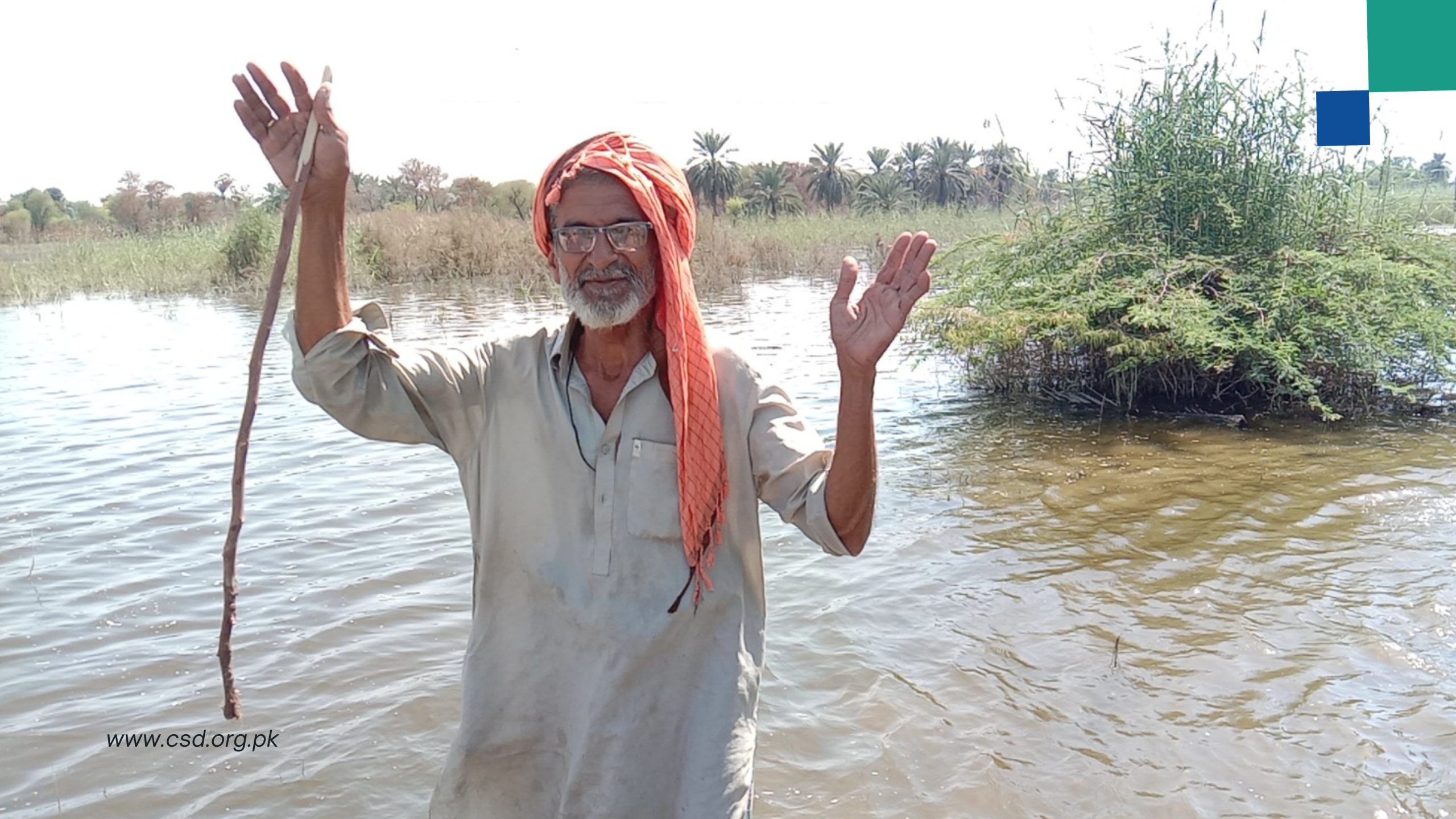
Pakistan is among the top ten countries most vulnerable to climate change, despite contributing less than 1% to global greenhouse gas emissions. Rising temperatures, erratic monsoon patterns, floods, droughts, and heatwaves are increasingly affecting rural and marginalized communities. According to the World Bank, climate-related disasters cost Pakistan an estimated USD 3-4 billion annually, while the 2022 floods alone affected over 33 million people and caused losses exceeding USD 30 billion.
The primary objectives of the programme were as follows:
- Educate youth on the complexities of policy-making, including the development, implementation, and evaluation of youth-centric policies.
- Encourage critical thinking by engaging youth in identifying gaps in current policies and exploring solutions for effective advocacy.
- Empower youth to become advocates for change by providing platforms to directly engage with policymakers, ensuring that youth perspectives shape inclusive policies.
- Strengthen youth networks by fostering collaboration between young leaders, civil society organisations, and government stakeholders for sustained policy engagement
The Centre for Sustainable Development – Pakistan, climate action focuses on strengthening community resilience through disaster risk reduction (DRR), clean energy solutions, and climate advocacy. CSD Pakistan works with vulnerable communities to reduce risks from floods and heatwaves by promoting emergency preparedness, resilient infrastructure, and early-warning awareness. Renewable energy interventions such as solar water pumps, solar lighting, and battery charging systems help rural households adapt sustainably while reducing dependence on fossil fuels.
Community engagement remains central to Centre for Sustainable Development approach. Through participatory planning, communities identify local climate risks and develop inclusive, equitable solutions. CSD also advances climate awareness and advocacy at local, national, and global levels, engaging youth, schools, government institutions, and civil society.
Our Strategy and Achievements: Climate Change Action for Building Resilience
Our Strategy:
- Building strong narratives and raising awareness on climate change impacts at global, national, and local levels, with a special focus on youth engagement.
- Enhancing youth understanding of climate change by providing reading materials, toolkits, and research-based learning resources.
- Promoting awareness of renewable and sustainable energy sources, including solar energy solutions, and encouraging behavioral changes that contribute to climate change mitigation and adaptation.
- Strengthening community capacity on climate change adaptation, disaster risk reduction (DRR), and resilience building, particularly in climate-vulnerable rural areas.
- Supporting community-led advocacy to influence climate-responsive policies and actions at local and national levels.
We Have Achieved
- Conducted two Climate Change Training Programs, successfully training a cohort of 50 facilitators with knowledge on climate science, climate justice, community mobilization, and effective advocacy skills.
- Implemented rollout climate awareness sessions in 14 schools across 11 districts of Pakistan, reaching more than 1,400 students, with each session engaging a minimum of 100 participants.
- Continued climate awareness rollouts in 18 additional schools across the same districts, maintaining an average participation of 100 students per session.
- Strengthened youth leadership and climate literacy by enabling students to understand local climate risks, renewable energy options, and individual actions for climate resilience.
Our Partnership and Networking
We are proud to collaborate with a diverse network of partners and stakeholders who share our commitment to advancing sustainable development, empowering youth, and driving inclusive, community-led change.