Empowering Communities through Learning
Education and Learning are central pillars of sustainable community development. Since 2020, Centre for Sustainable Development Pakistan has worked to improve access to quality education, promote lifelong learning, and raise awareness on critical social and development issues affecting rural and vulnerable communities across the country. Through targeted programs and community-led initiatives, CSD enables individuals and families to gain the knowledge and skills needed for a better and more resilient future.
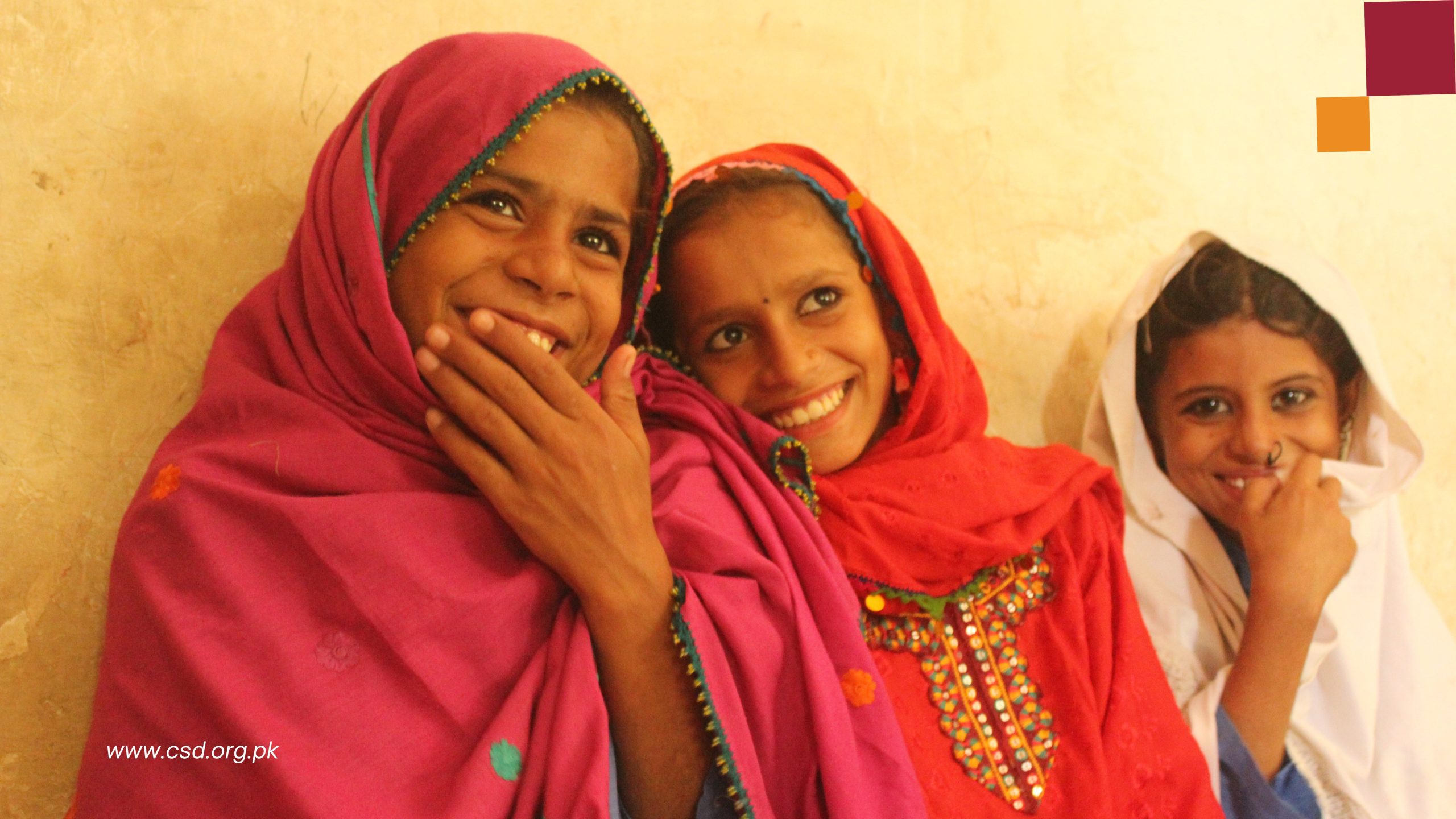
Why Education and learning Matters
Pakistan faces persistent education challenges. The United Nations Human Development Index (2018) ranked Pakistan 150 out of 189 countries, while national literacy stands at 58% for individuals aged ten and above. Net primary enrolment remains low at 54%, with stark provincial disparities Punjab (59%), Khyber Pakhtunkhwa (53%), Sindh (48%), and Balochistan (33%). Gender inequality is pronounced, particularly in Sindh, where male literacy is 70% compared to 46% for females.
Limited access, cultural barriers, lack of safe single-gender schools, distance, and affordability remain the biggest obstacles to girls’ education, especially in rural areas. CSD addresses these gaps by strengthening community ownership of schools, activating School Management Committees (SMCs), enrolling out-of-school children, and building strong community–government partnerships.
Objectives
- Improve access to quality education by mobilizing donor support for school construction, rehabilitation, and safe learning spaces, particularly for girls and marginalized children in rural Pakistan.
- Strengthen teaching and learning outcomes through the integration of technology, innovative learning tools, and student-centered activities that encourage participation and retention.
- Promote community ownership of government schools by activating School Management Committees and building strong community–government partnerships.
- Increase education awareness by engaging youth, enrolling out-of-school children, and fostering lifelong learning through targeted campaigns and local initiatives.
The biggest barrier to a girl’s education in Pakistan is lack of access. Cultural limitations prevent parents sending their daughters to mixed gender schools restricting access to single sex safe-houses. Across the nation, education is built to demand rather than supply, meaning that boys schools often out number girls, especially in rural areas. For the average girl, school is too far away, too expensive or not safe enough for her parents to allow her to send – even if she wanted to go.
CSD’s has focused upon youth engagement in out of school children enrolment. It has also been learnt that ownership for government schools at community level is also missing. Awareness raising for ownership building has also been a focused area of the organisation. Activation of School Management Committees and formation of committee/ school support groups at UC level has also been a major task of the organization.
Our Strategy and Achievements: Education and Learning
Our Strategy:
- Mobilize donor and philanthropic support for school construction and rehabilitation
- Integrate technology to improve teaching and learning outcomes.
- Promote community ownership through active School Management Committees
- Engage youth through awareness campaigns, competitions, and learning events
We Have Achieved
- Increased enrollment of out-of-school children through community mobilization
- Reactivated and strengthened School Management Committees at local levels
- Established school support groups at Union Council level
- Enhanced education awareness and community ownership of government schools
Our Partnership and Networking
We are proud to collaborate with a diverse network of partners and stakeholders who share our commitment to advancing sustainable development, empowering youth, and driving inclusive, community-led change.